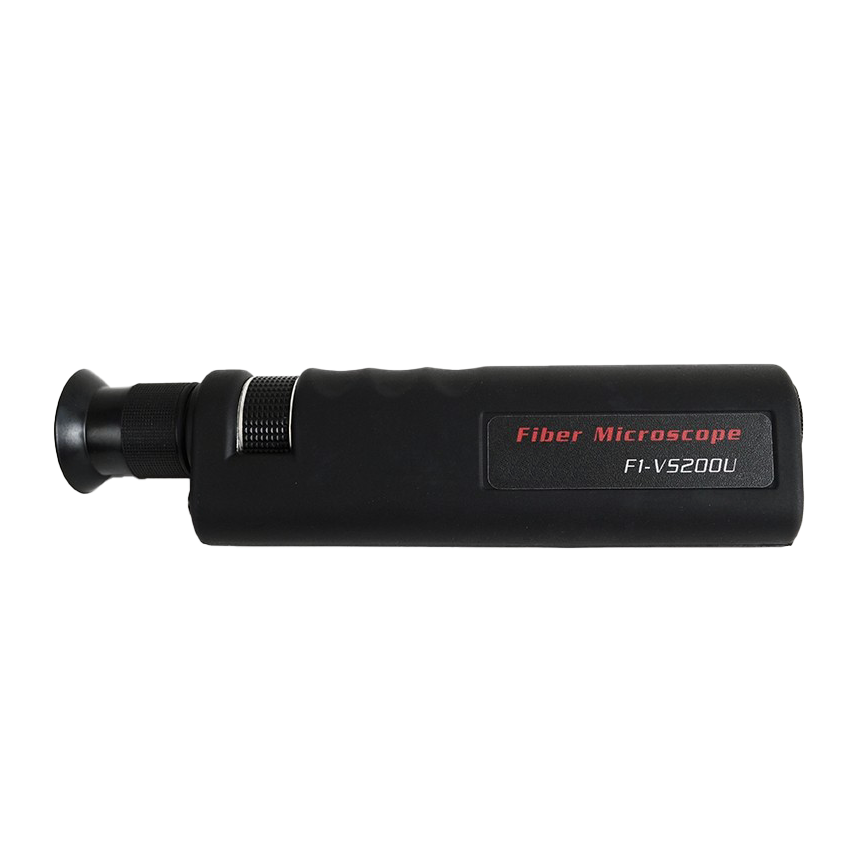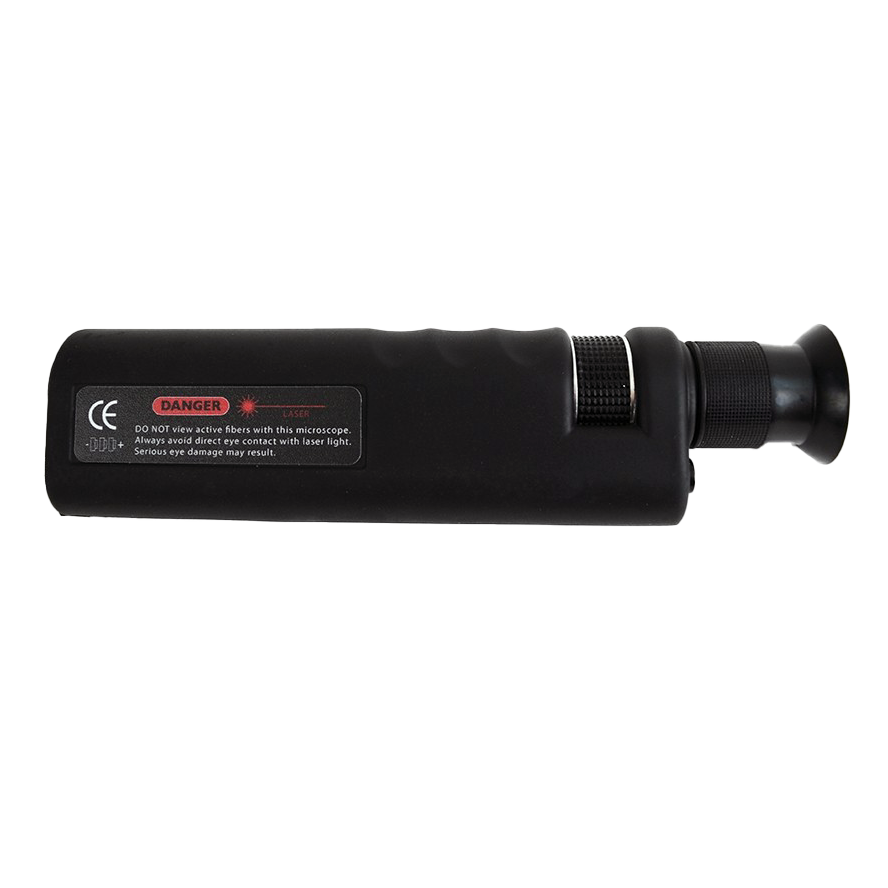
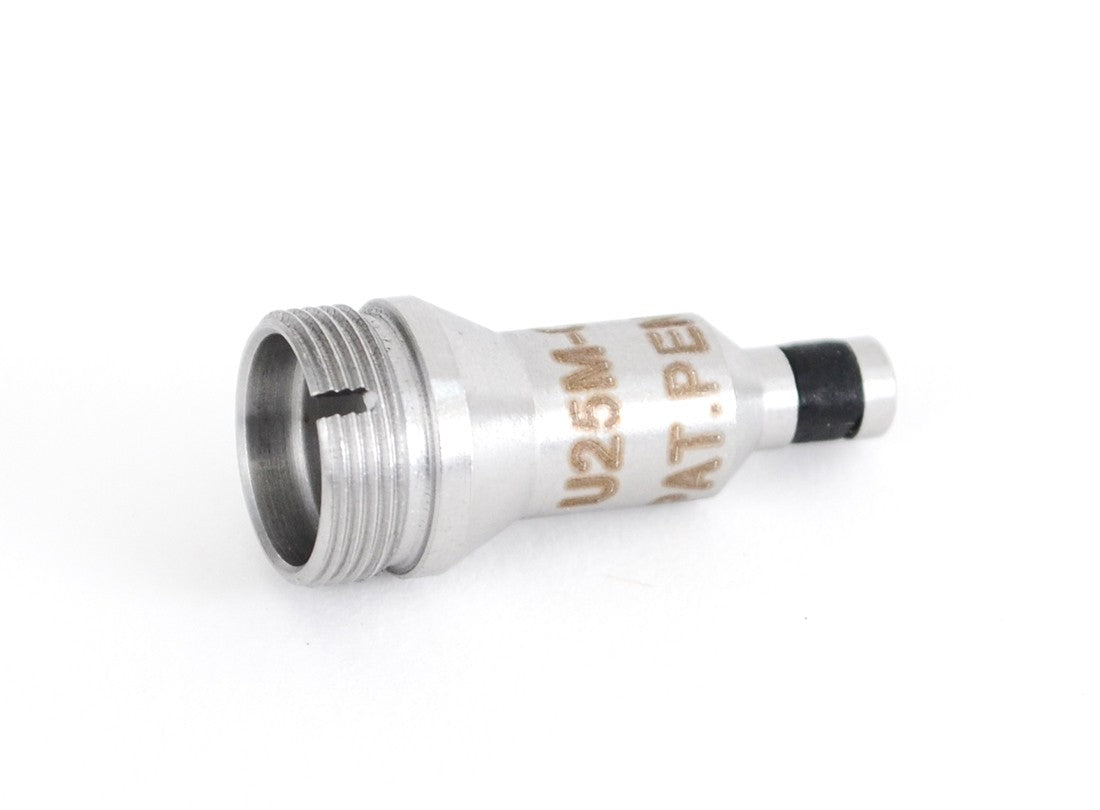
Fiber Optic Inspection Microscope
FREE Shipping! (For orders over $150 and ship to continental USA)
What is a Fiber Optic Inspection Microscope?
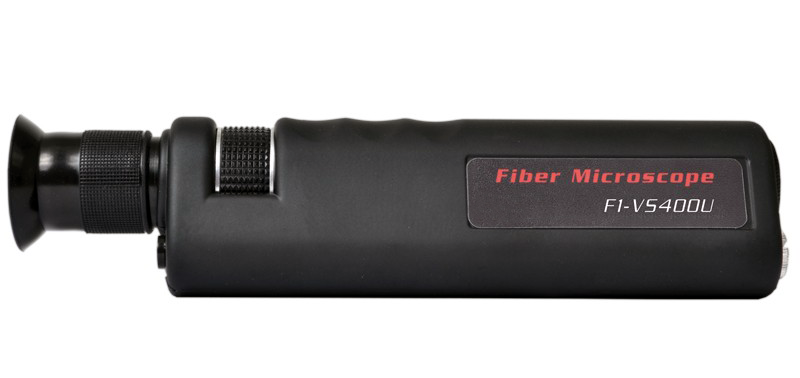
Fiber optic inspection microscopes are used to inspect the end face of a connector or cleaved fiber.
There are two major types of fiber microscopes available; one is for fiber termination inspection and the other is for inspection of installed connectors on patch panels and hardware devices.
The typical magnification level is 200X or 400X for single mode fiber applications. A 100X low cost fiber microscope is often included in most fiber optic cable termination kit, which is used for multimode fiber termination inspection on field installable connectors.
What types of flaws or contaminations can the fiber optic inspection microscope see?
With at least 200X magnification you can clearly see scratching, dig, dirt deposit, debris and other contaminations. Here are some sample pictures.
Scratching and Dirt Deposit

Debris
Types of Fiber Optic Inspection Microscopes
- Desktop fiber optic video inspection microscopes
The typical desktop fiber optic video inspection microscope has a 9” black and white monitor attached to the scope with a 4 feet video cable. So you can place the monitor where it is convenient. Because of its bulk volume, this type of fiber microscope is typically used in production environments and labs. Both 200X and 400X versions are available.
- Portable fiber optic microscope
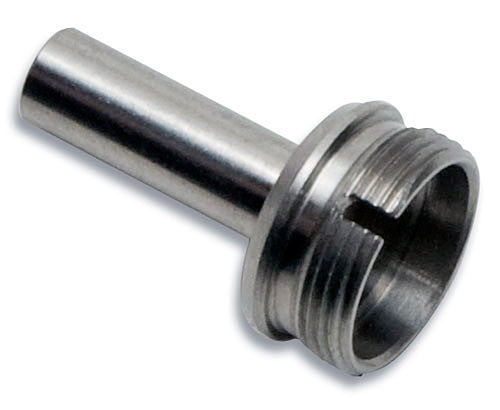
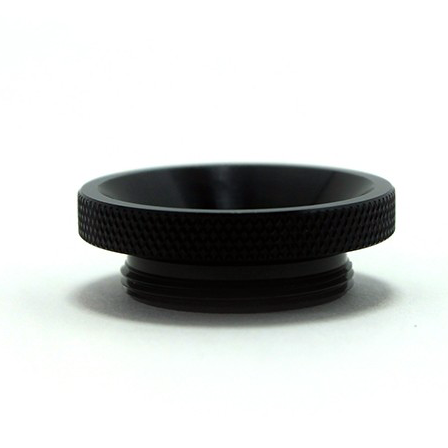
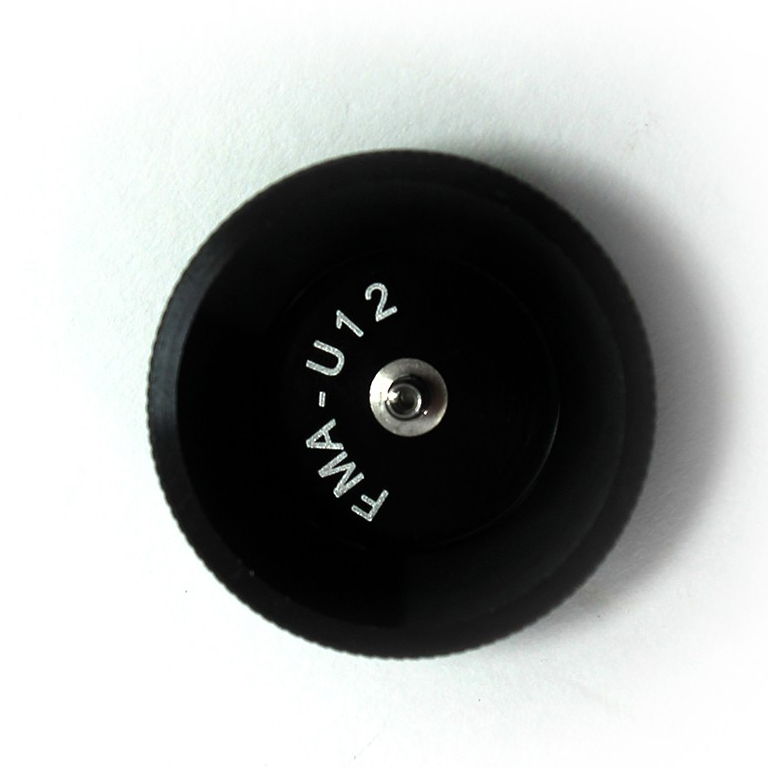
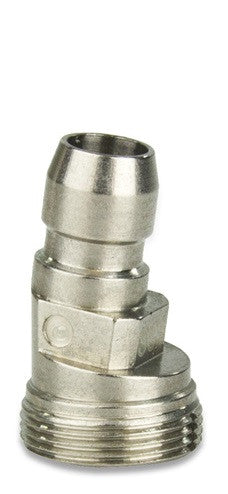
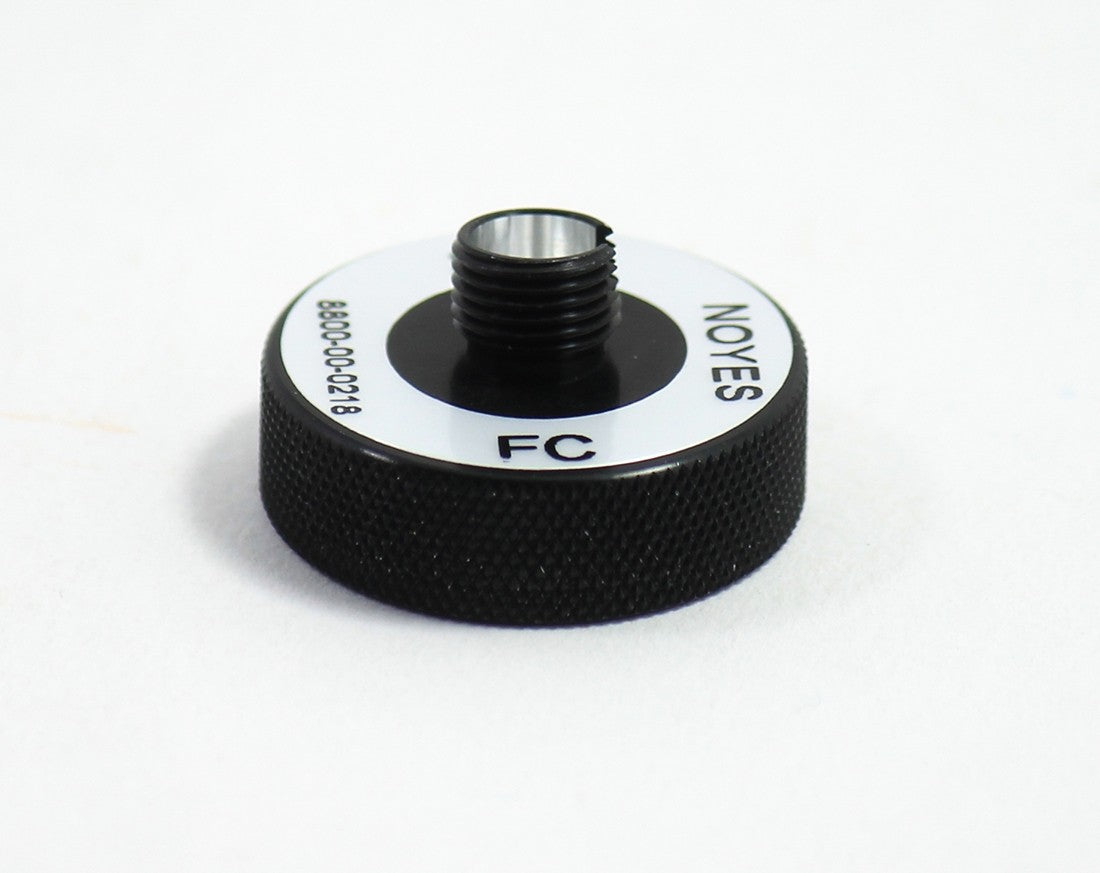
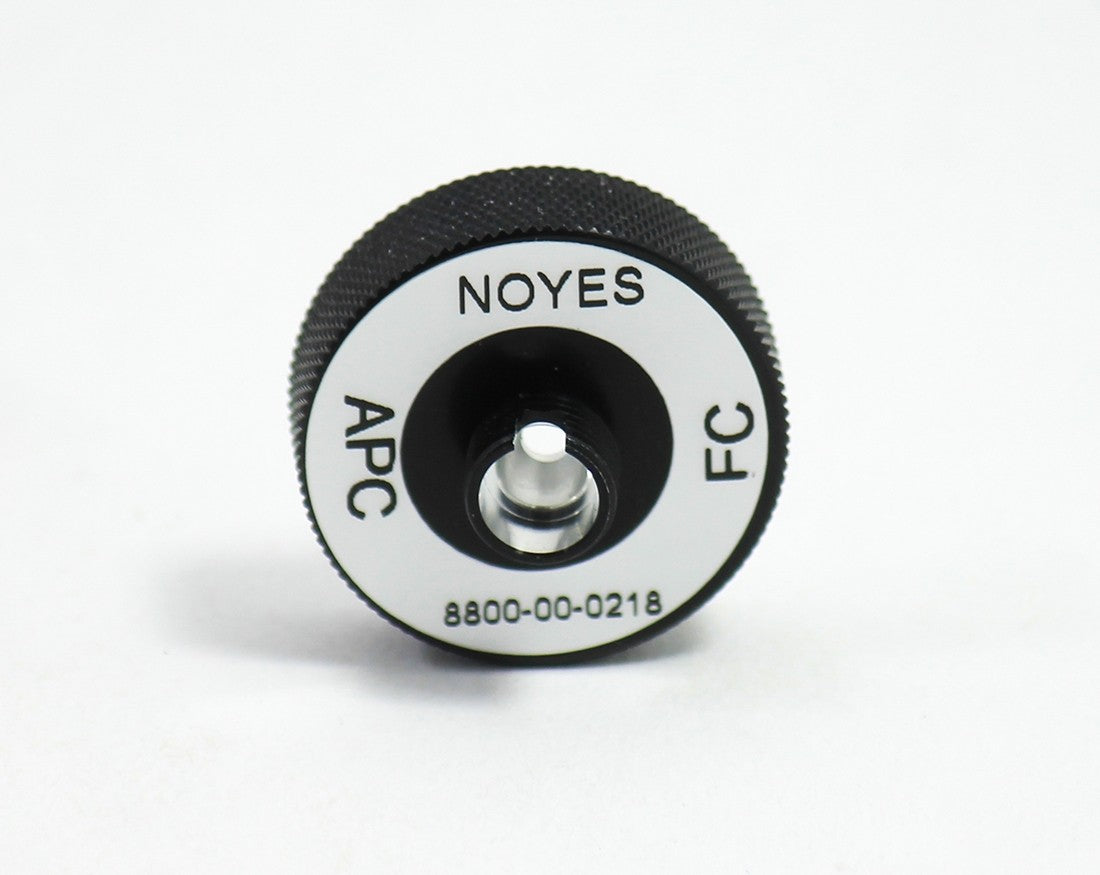
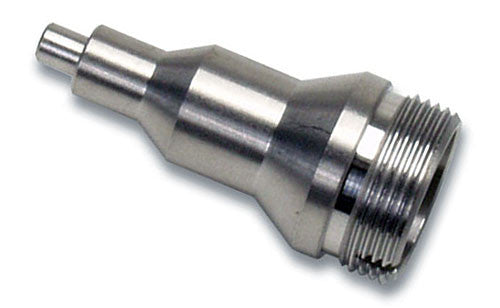
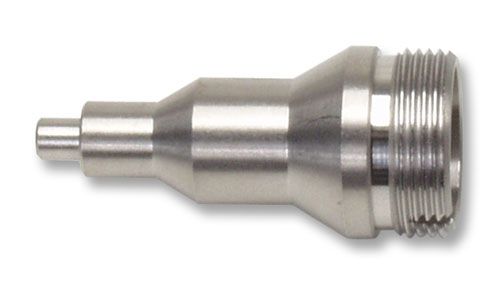
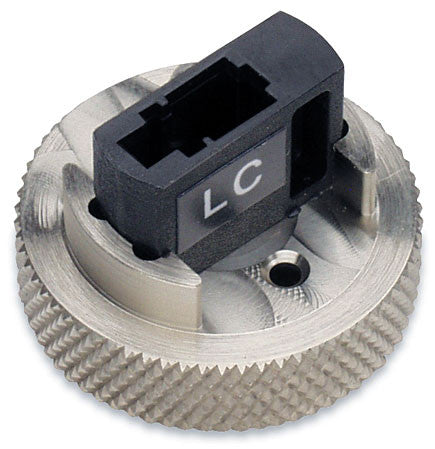
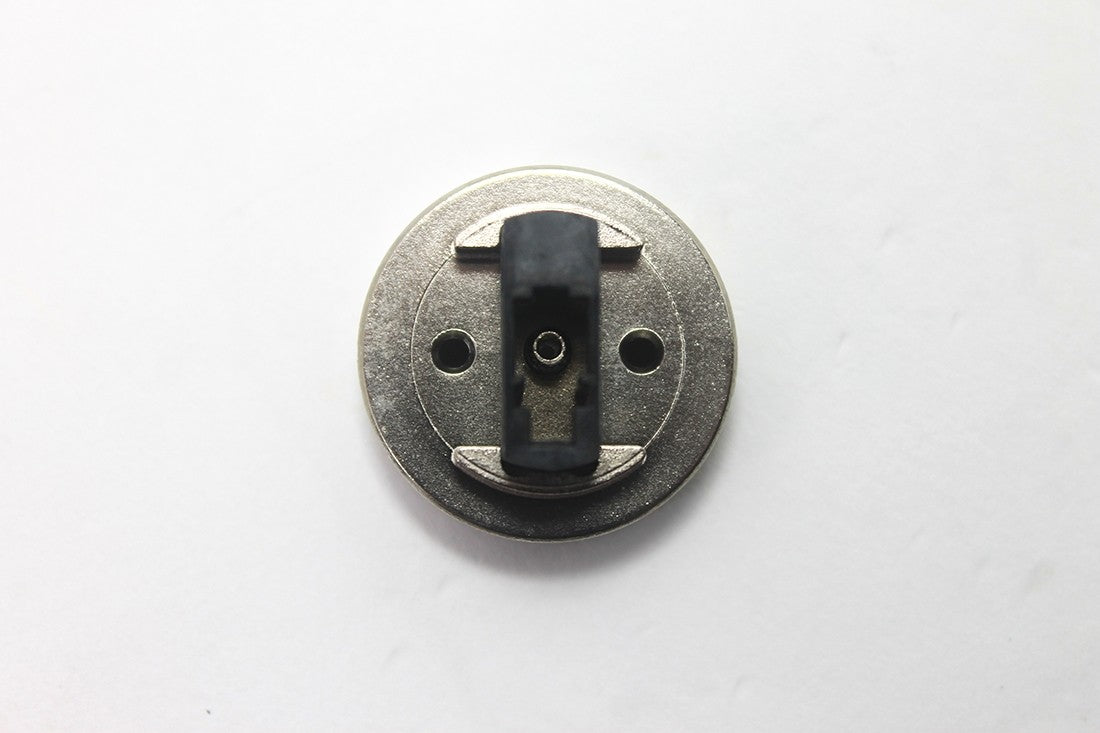
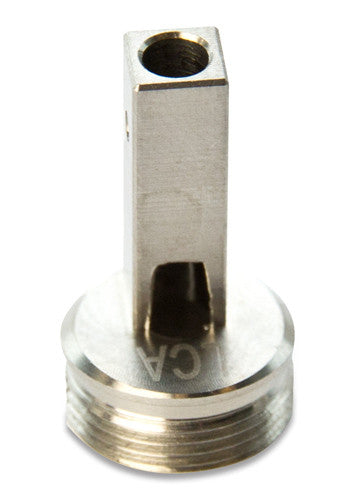
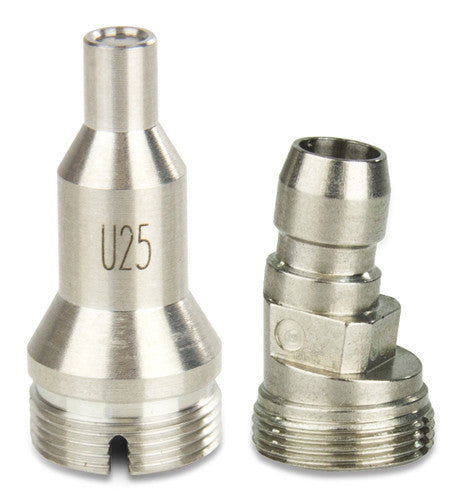
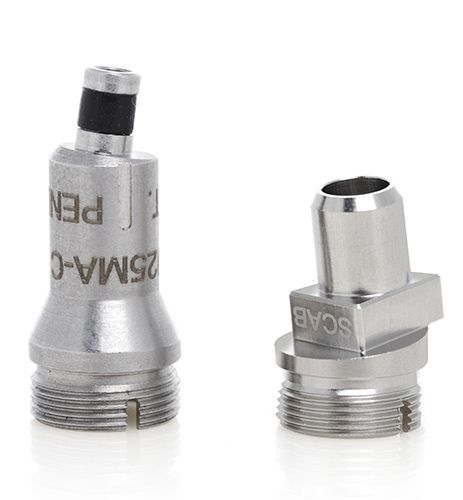
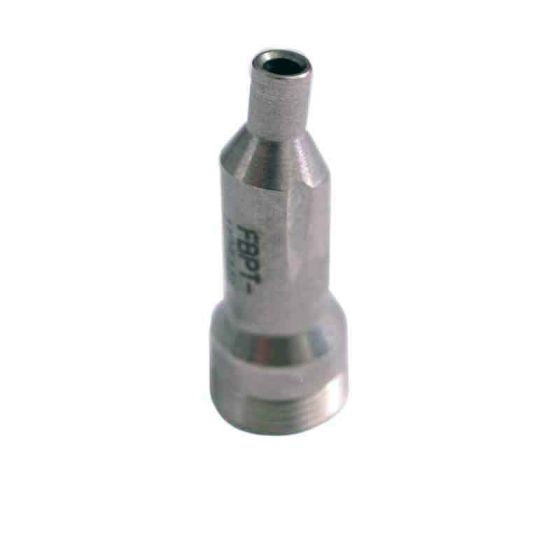
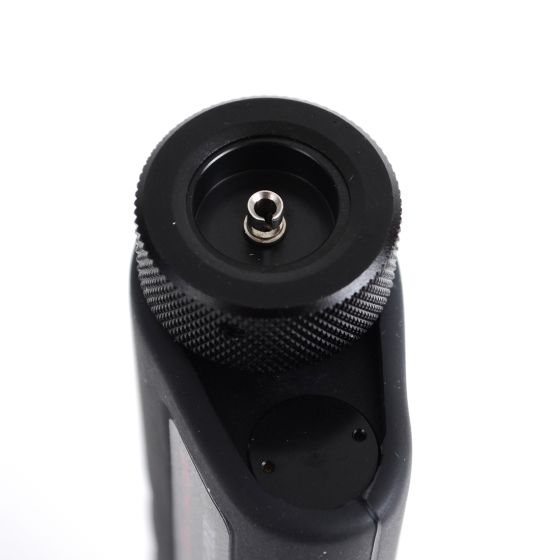
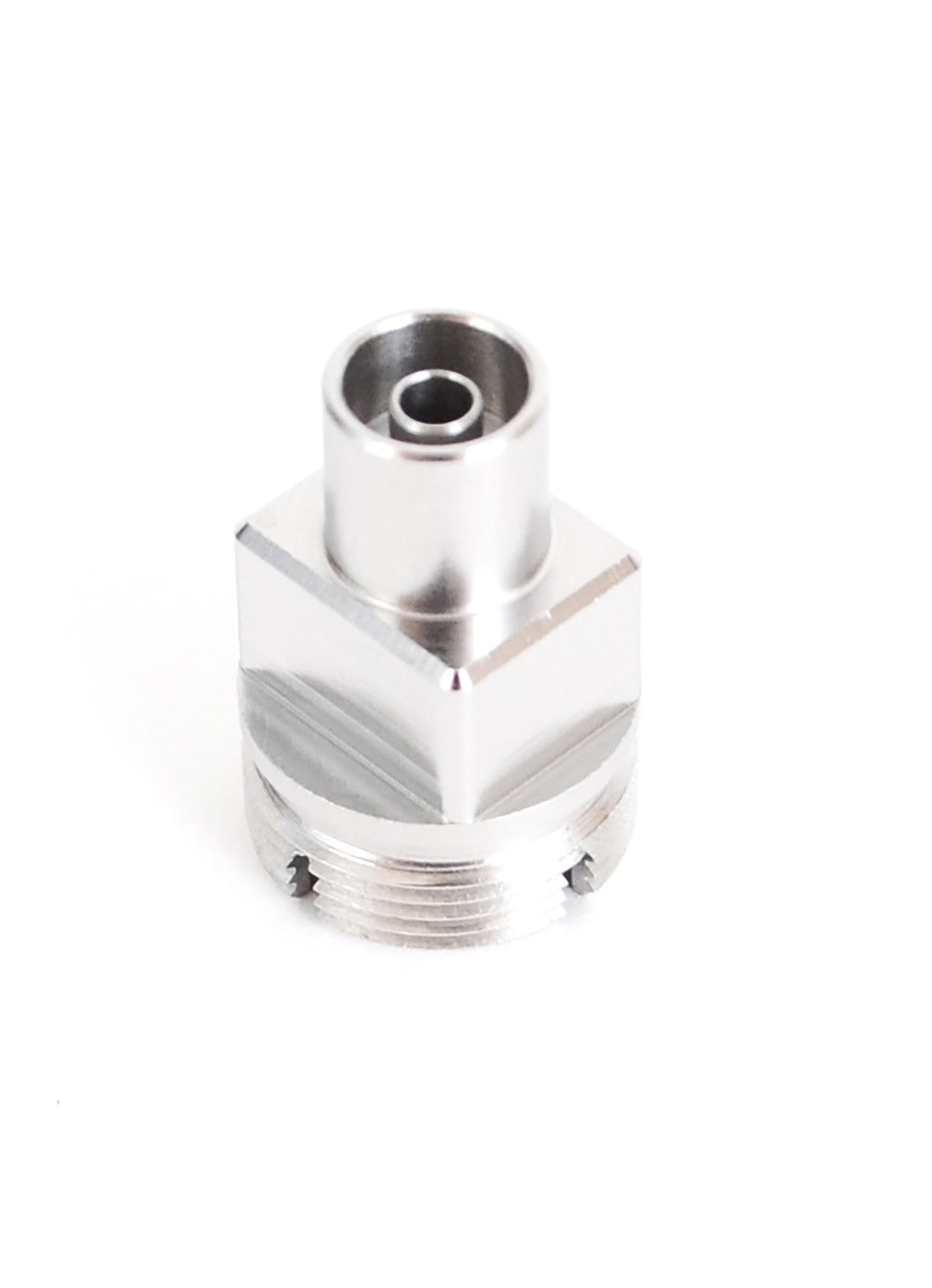
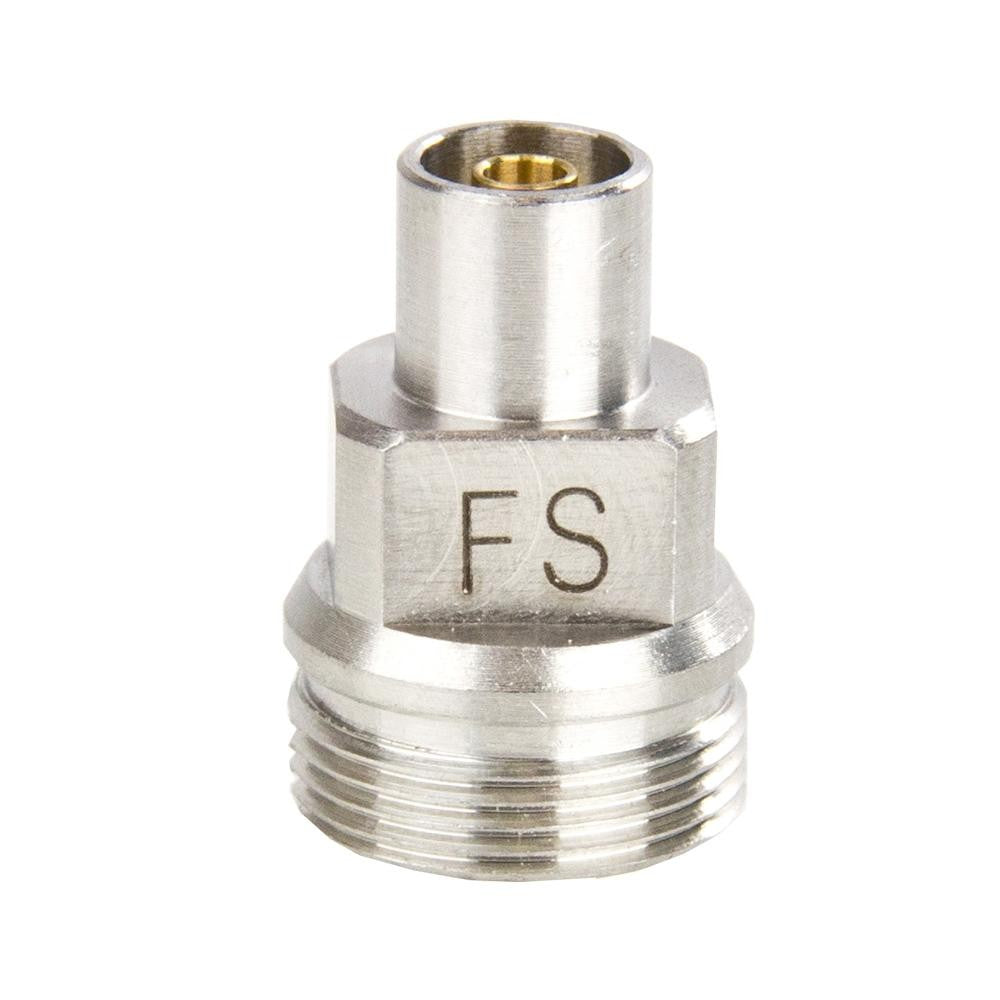
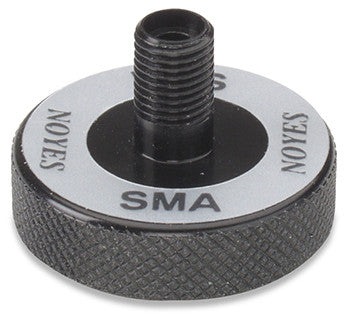
This type of fiber microscope with universal adapter is a versatile instrument to inspect fiber optic connectors. They can be used for both multimode and single mode applications. Connectors slide into scope adapter, providing ease of use with or without tripod. 8° angle adapter can be used for inspecting angled connectors such as FC/APC, SC/APC, etc. Both 200X and 400X versions are available.
- Coaxial Illuminated hand held fiber inspection scope
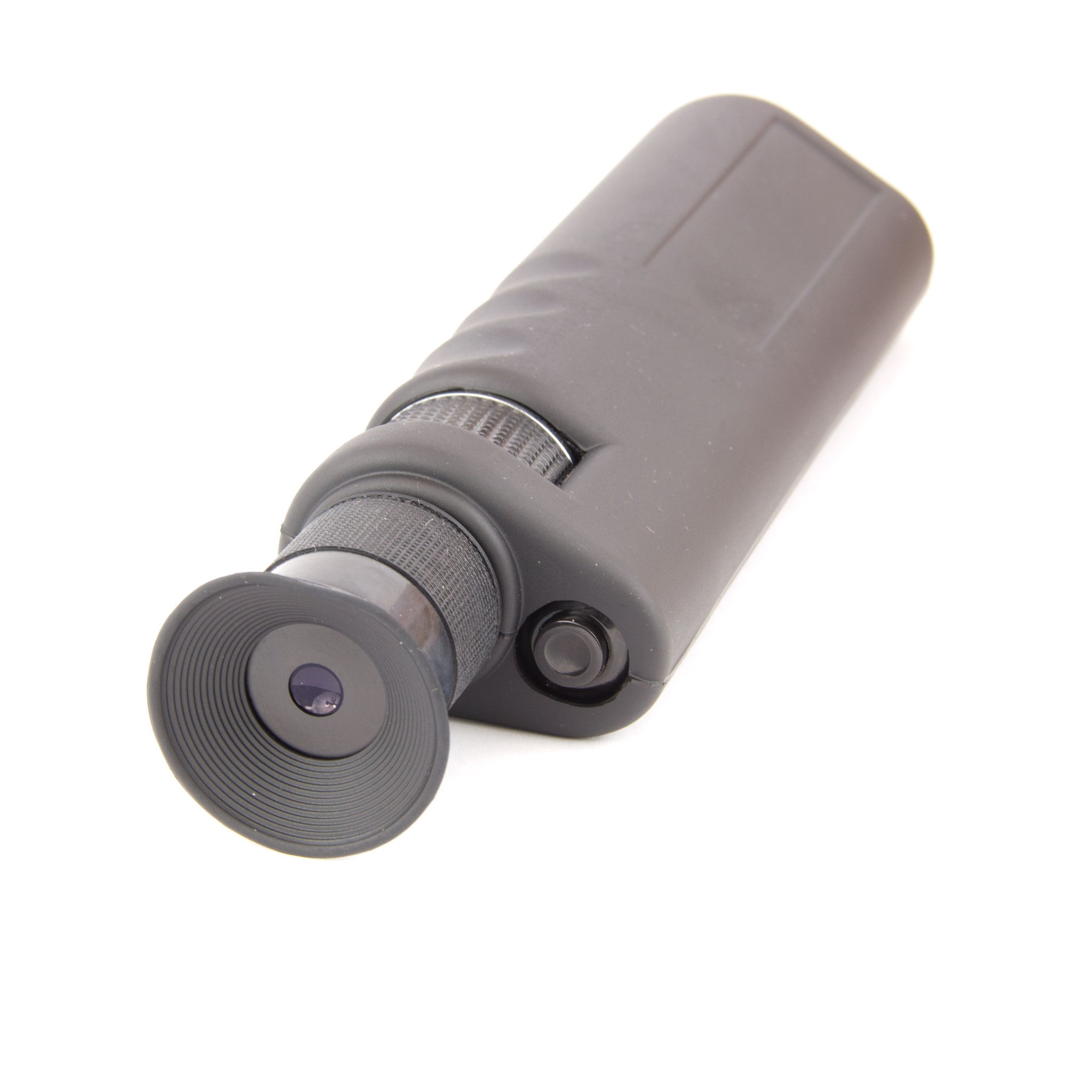
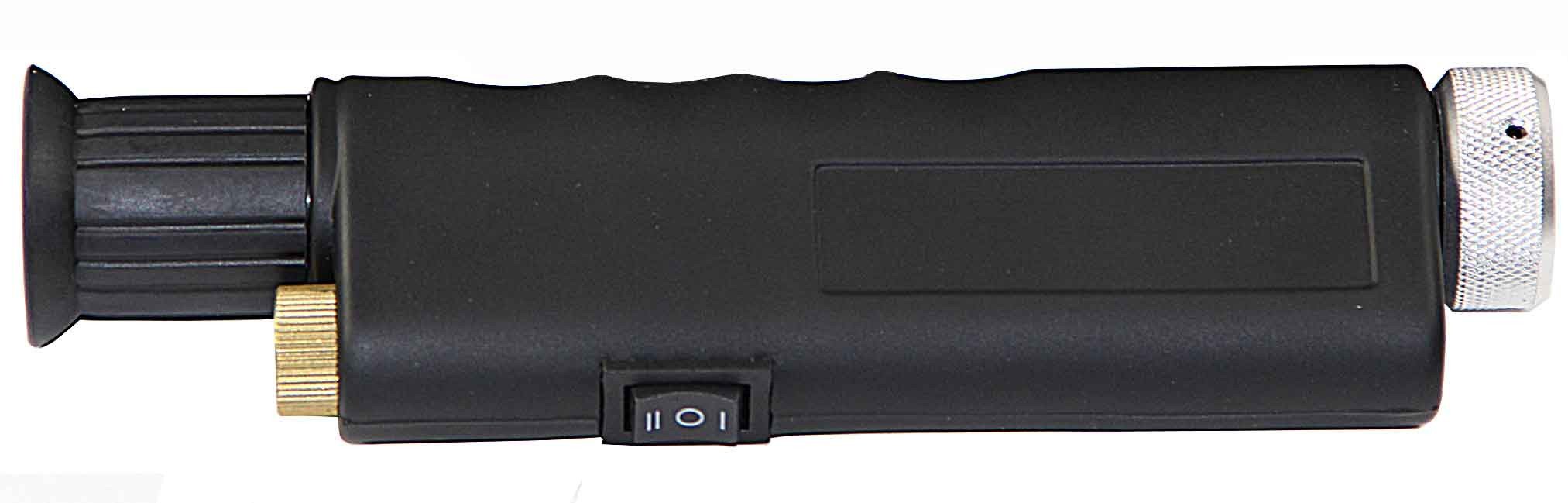
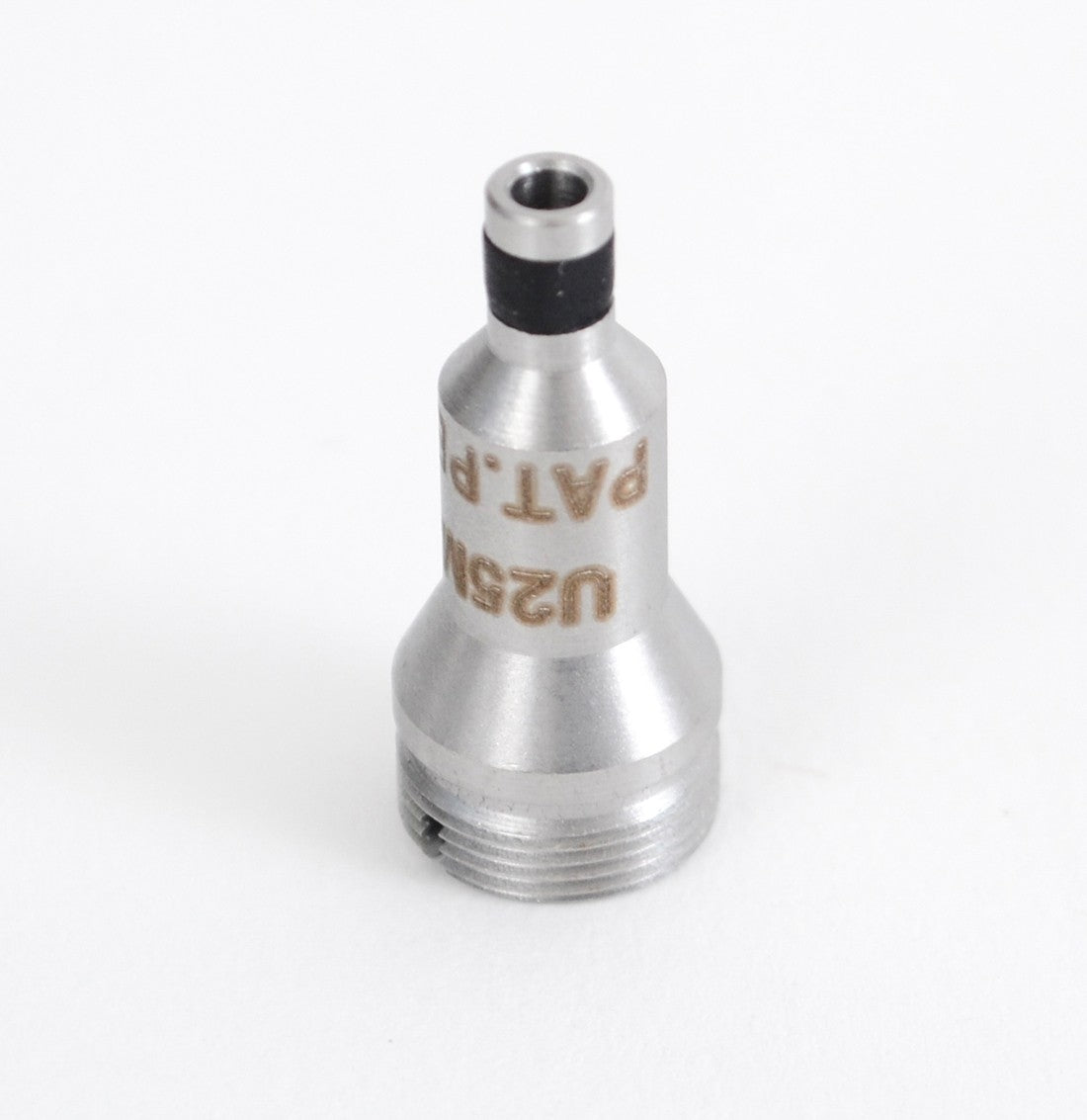
These low cost microscopes are available in 200x or 400x magnification, and utilize white LED light to provide coaxial illumination to connector end-faces. This method of illumination produces high resolution detail of end face scratches, defects and contamination. It is provided with a universal 2.5mm adapter, with other common connector styles available. These are the natural choice for fiber installation contractors.
- Low cost low magnification fiber inspection scope (multimode fiber termination applications)
This low cost 100X magnification is also a popular choice among fiber installation contractors and technicians. Since it only provides a 100X magnification, it is in fact intended for multimode applications. Most fiber optic cable termination kits on the market include one.
- Ferrule inspection microscopes
All the previous mentioned four types of fiber optic inspection microscopes are for standalone fiber connector inspections. But what about the connectors already installed on patch panels and hardware devices? The ferrule inspection microscopes are the solution.
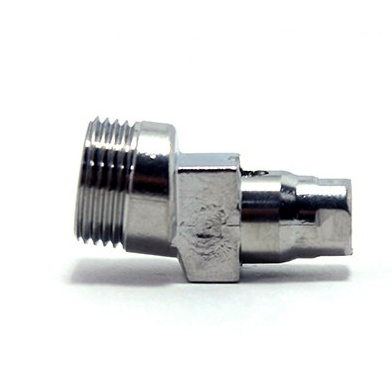
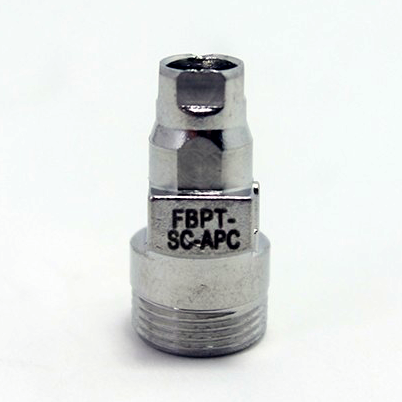
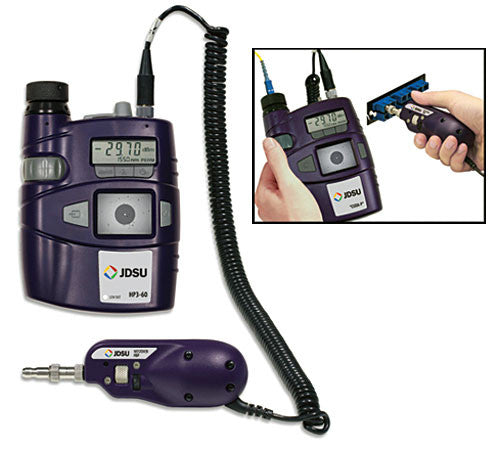
These video fiber optic microscopes include a handheld LCD display unit and a small, lightweight probe that contains a long-life LED light source and CCD video camera. The probe adapter tip mates with the connector and projects a crisp, clear image of microscopic debris and end-face damage on the LCD display.
Features:
- Easily inspects installed fiber connectors on patch panels and hardware devices
- Inspects multimode and single mode applications
- Easily inspects cables and cable assemblies
- Eliminates the hazards of inspecting live fiber
- Much faster than traditional scopes
- Provides clear images of microscopic debris and end-face damage
Zoom levels of different optical fiber optic microscopes
- 100X
- 150X
- 200X
- 400X
Warnings
- Do not look into a fiber while the system laser is on
- Do not connect a fiberscope while the system laser is on
- Do not touch the end face of the fiber connector
- Lasers used in telecommunication systems are powerful enough to burn contaminants into the fiber end face. Always ensure the laser is turned off while performing the cleaning procedure.